
Our Restoration Services
Based in Corona and serving all of Southern California: water, mold, fire, storm, biohazard, and commercial restoration. 24/7 response. Call (951) 667-9910.
Explore Our Services
More About Our Services
When water is soaking through your drywall at 2 a.m., or smoke residue is settling into every surface after a kitchen fire, the last thing you need is to coordinate four different contractors. Dry County Restoration handles the full arc of property damage, from the first hour of emergency response through the final coat of paint, for homeowners, commercial property owners, landlords, and property managers across Corona and all of Southern California.
Emergency restoration services
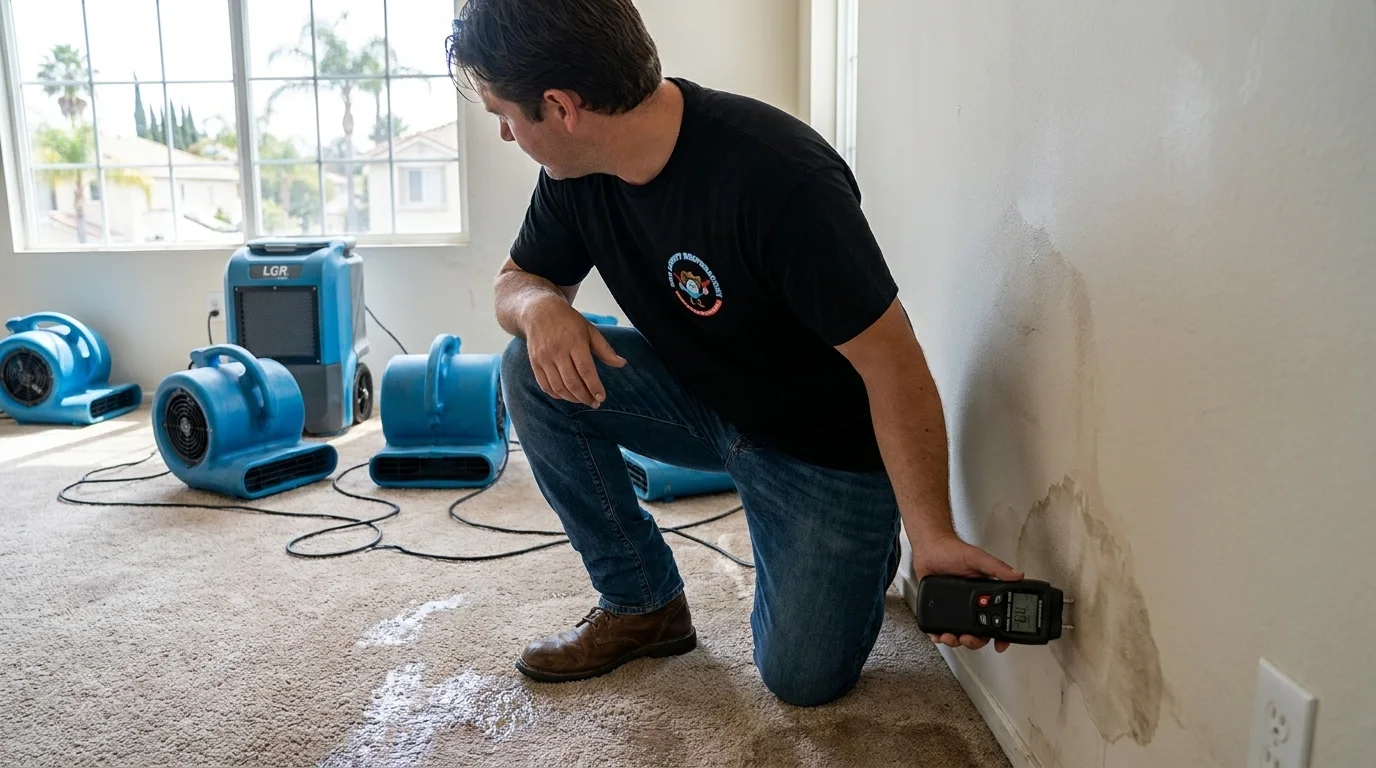
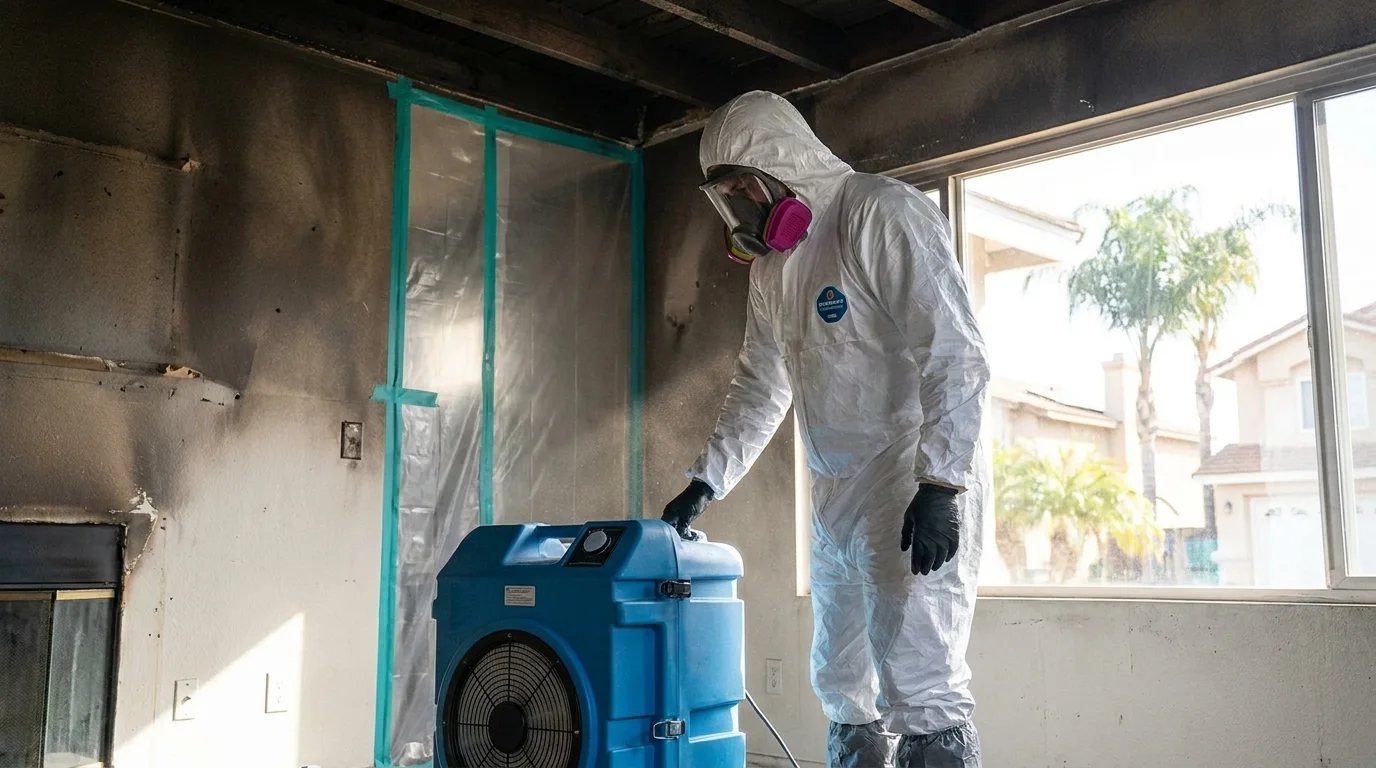
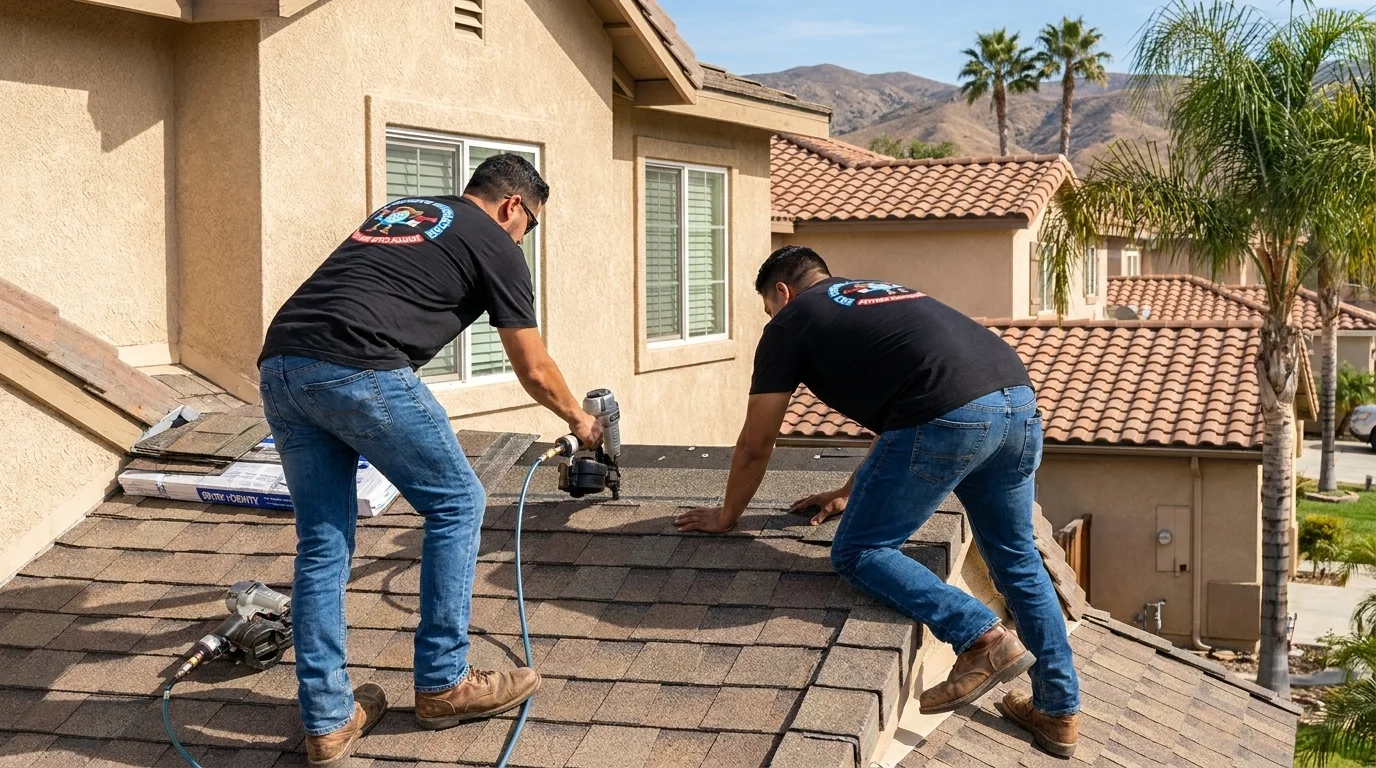
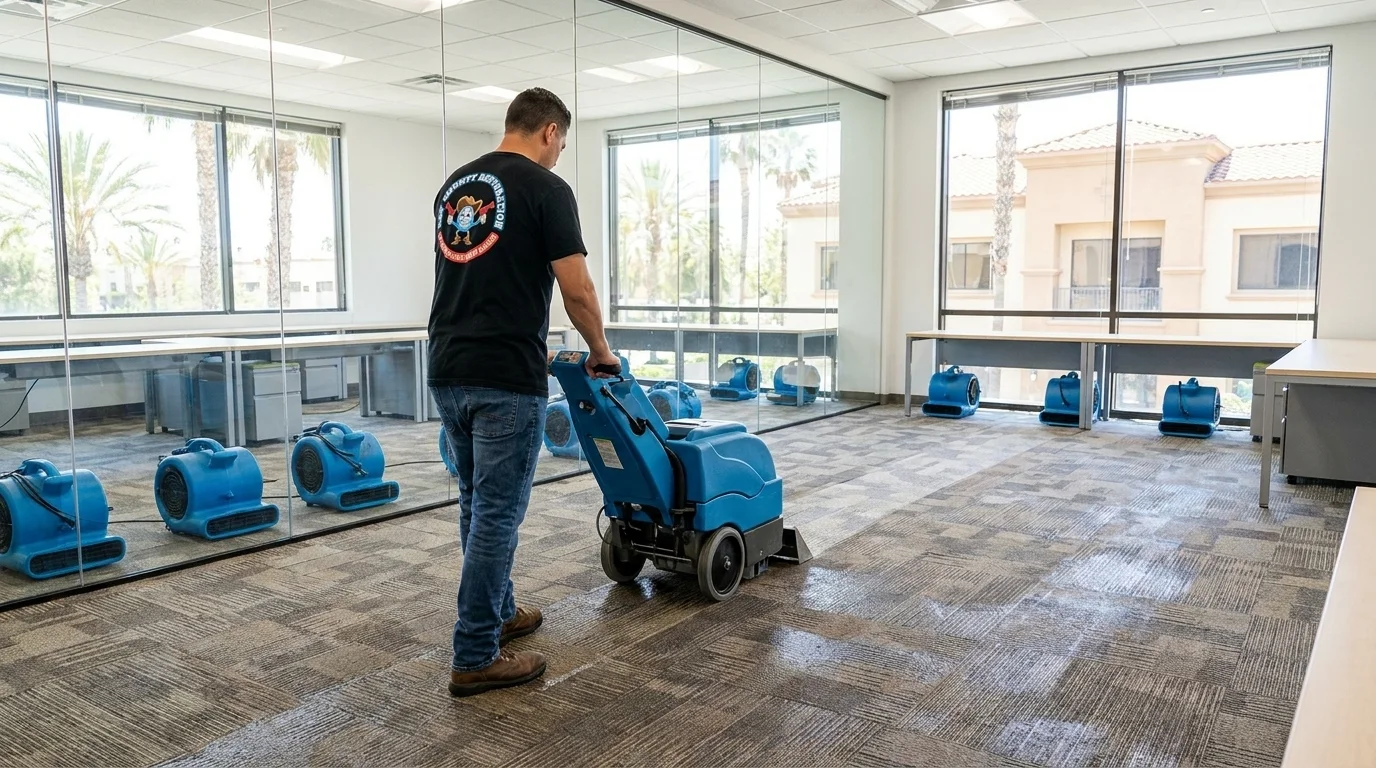
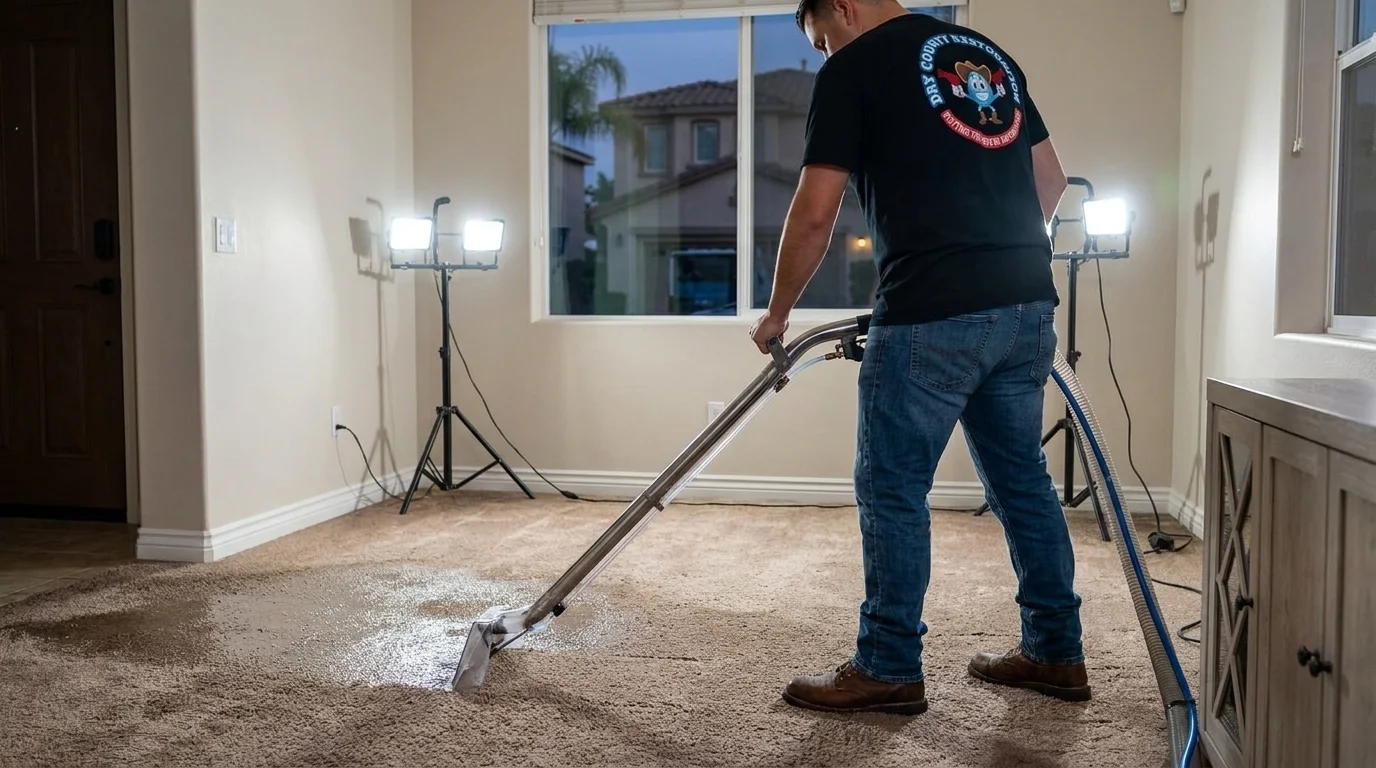
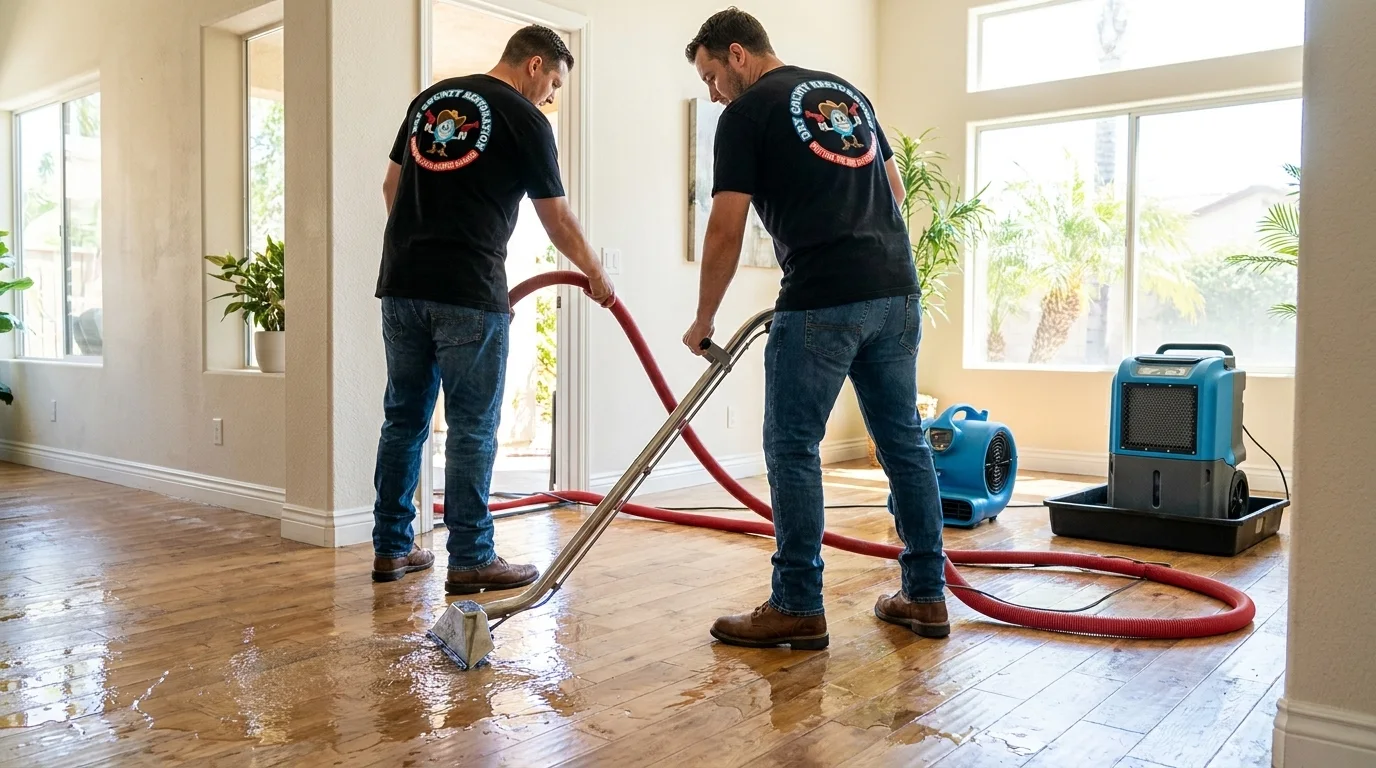
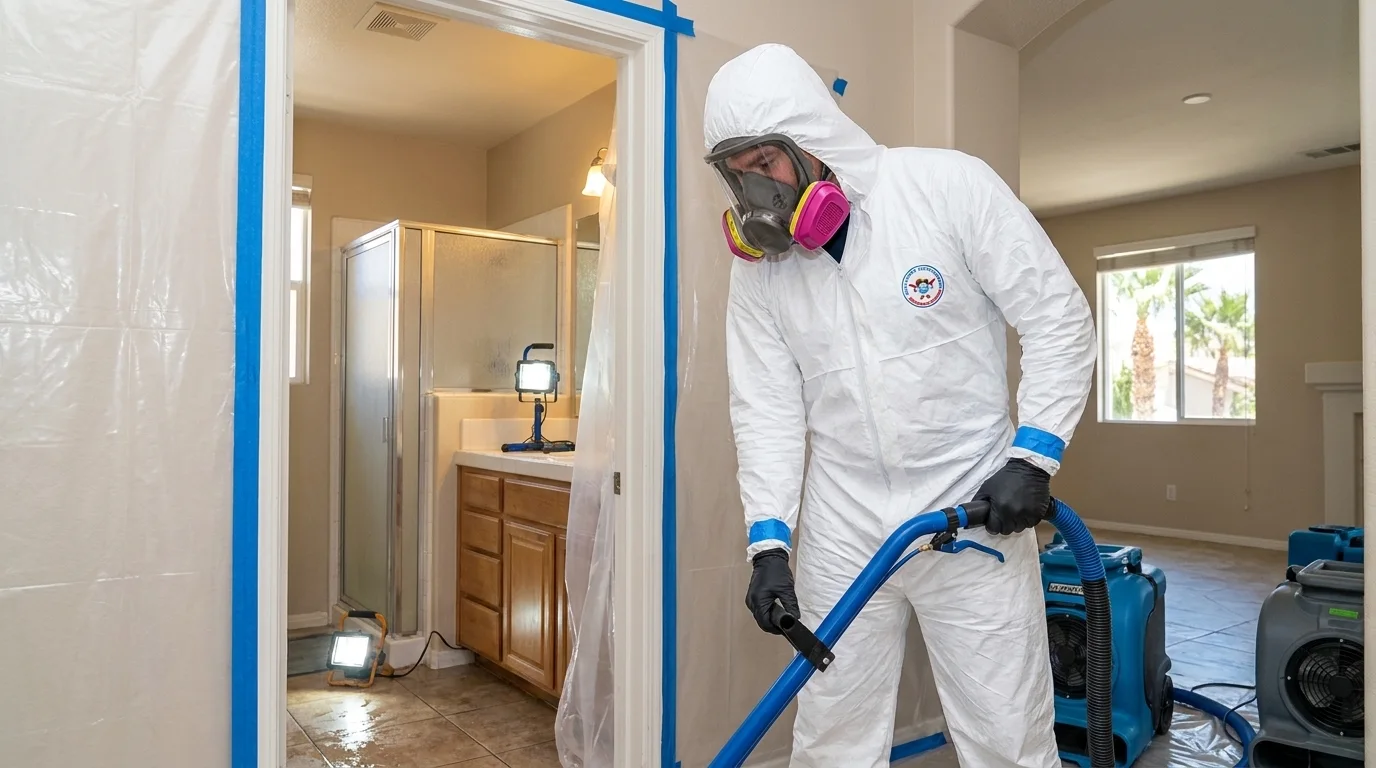
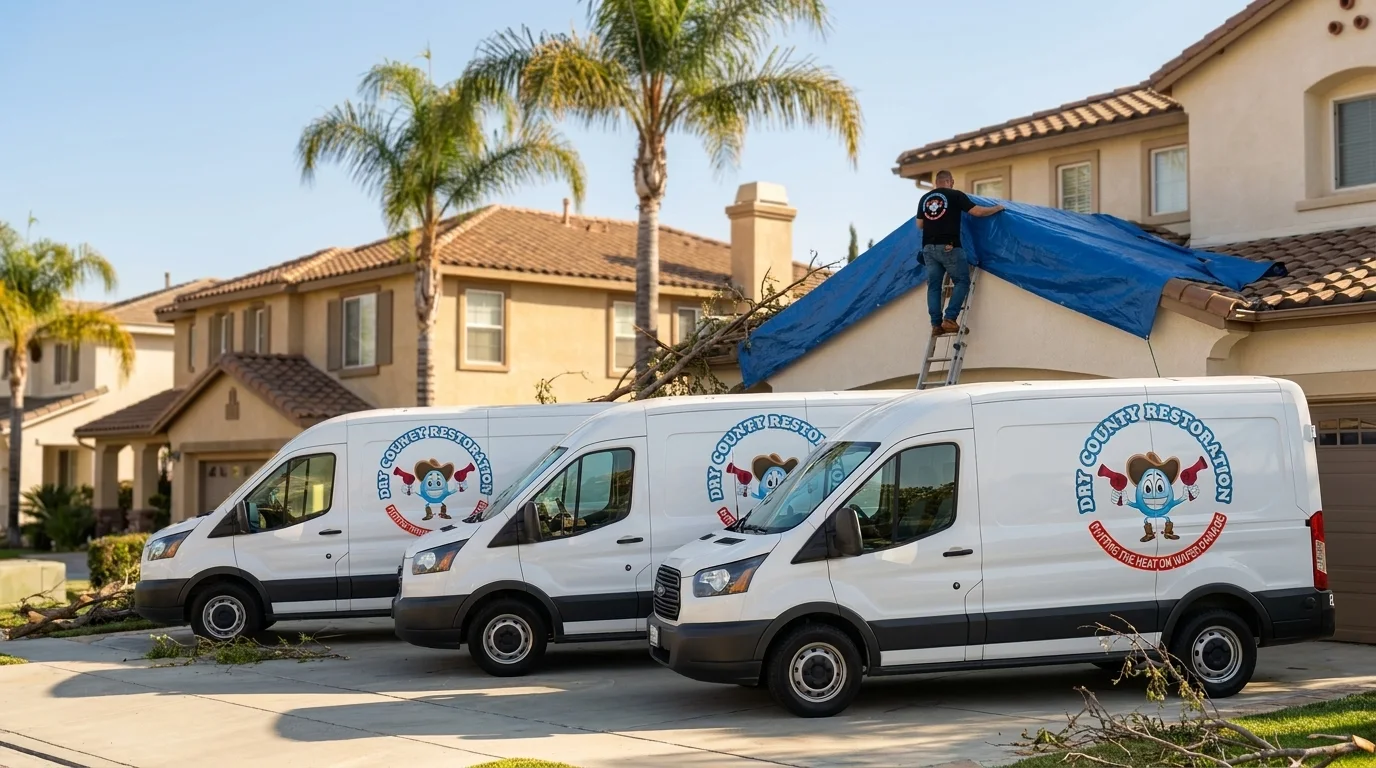
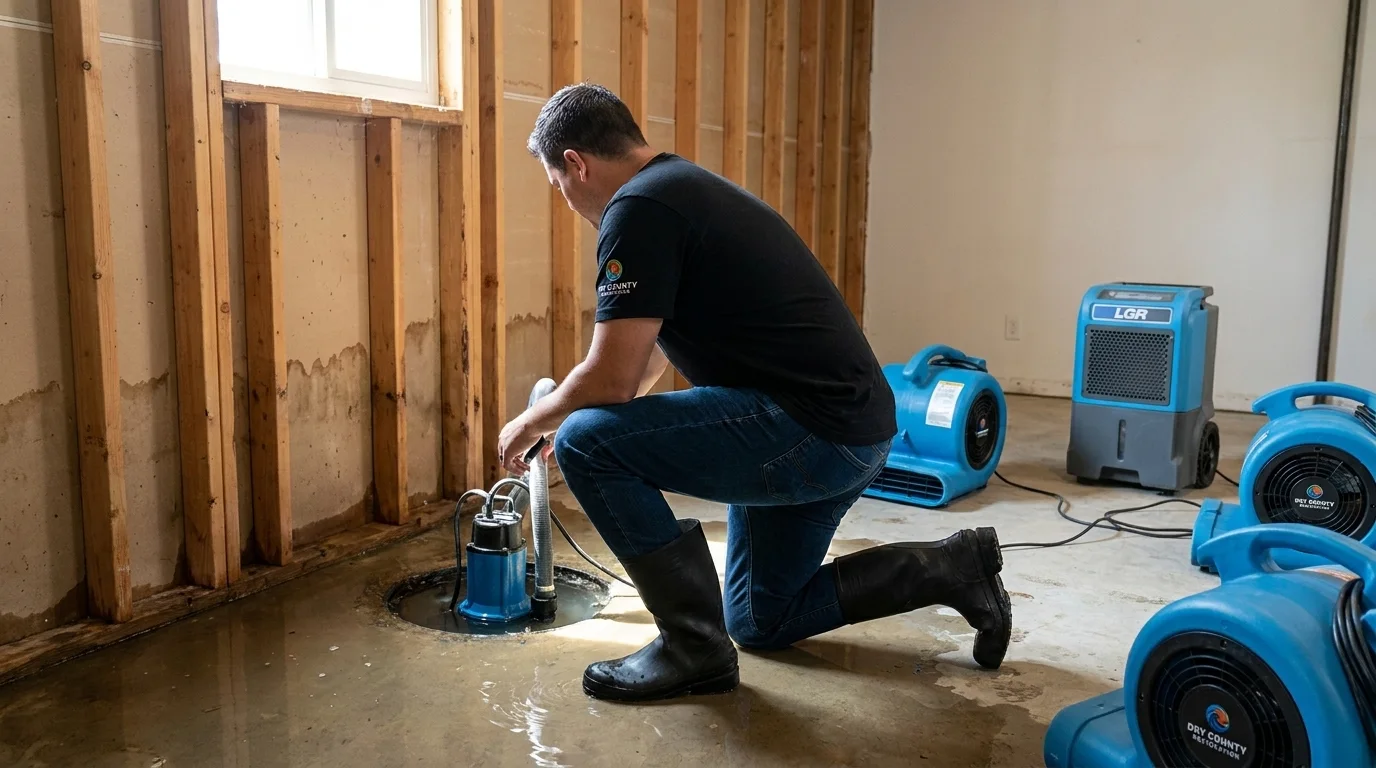
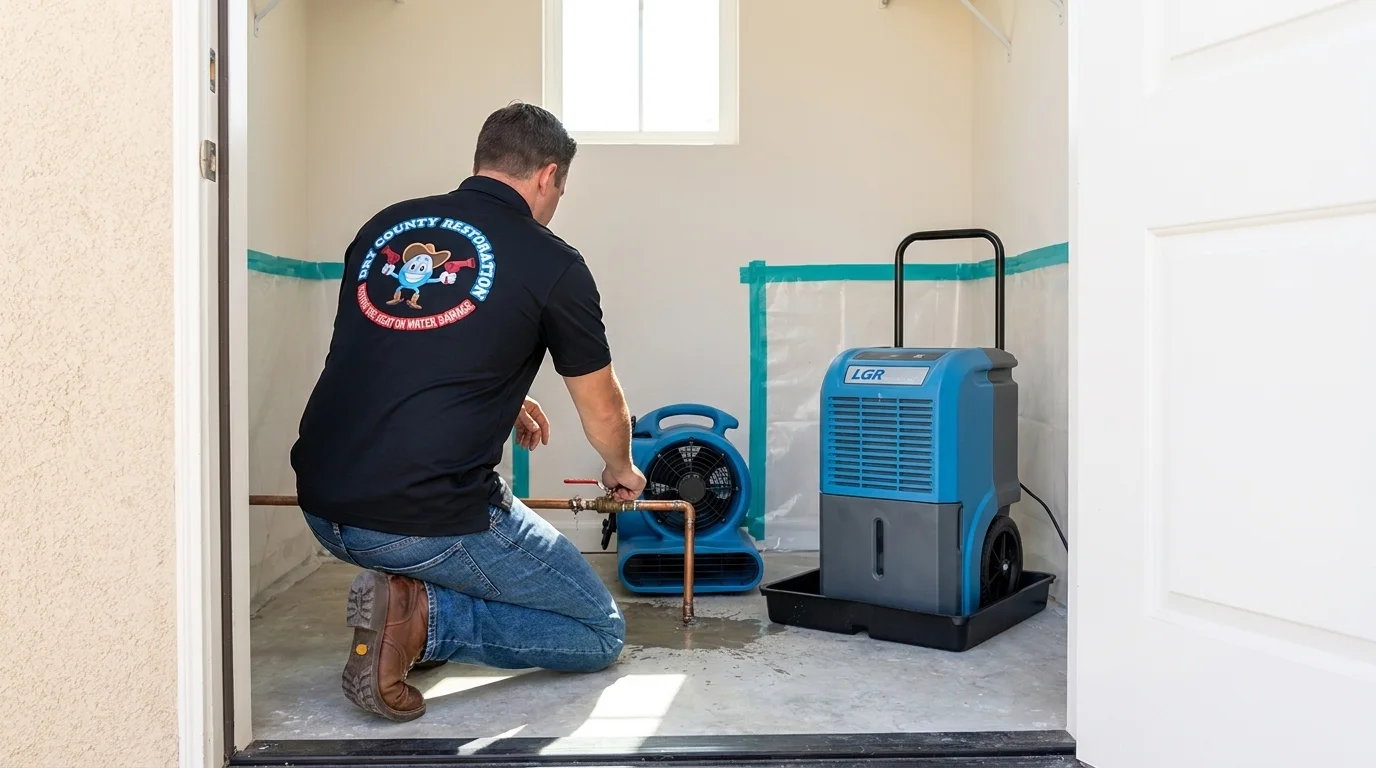
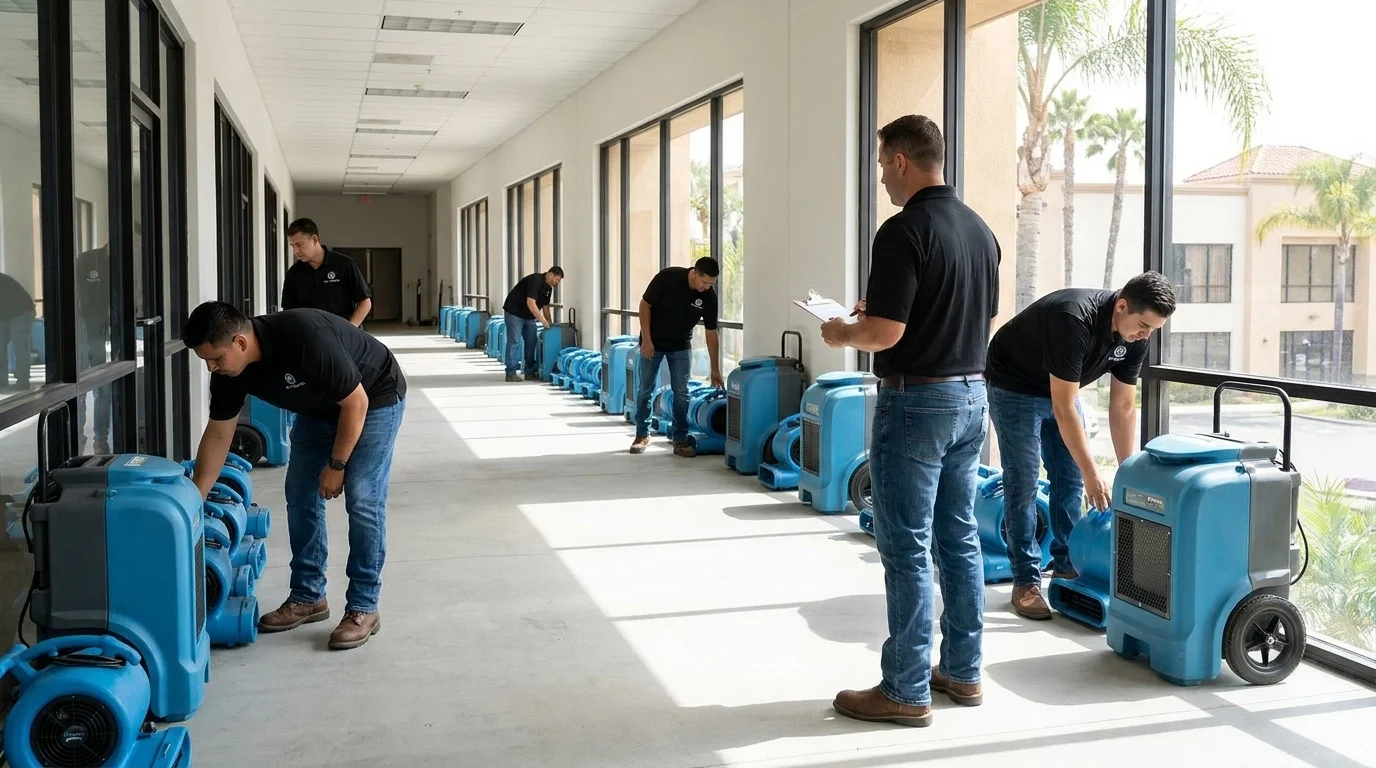
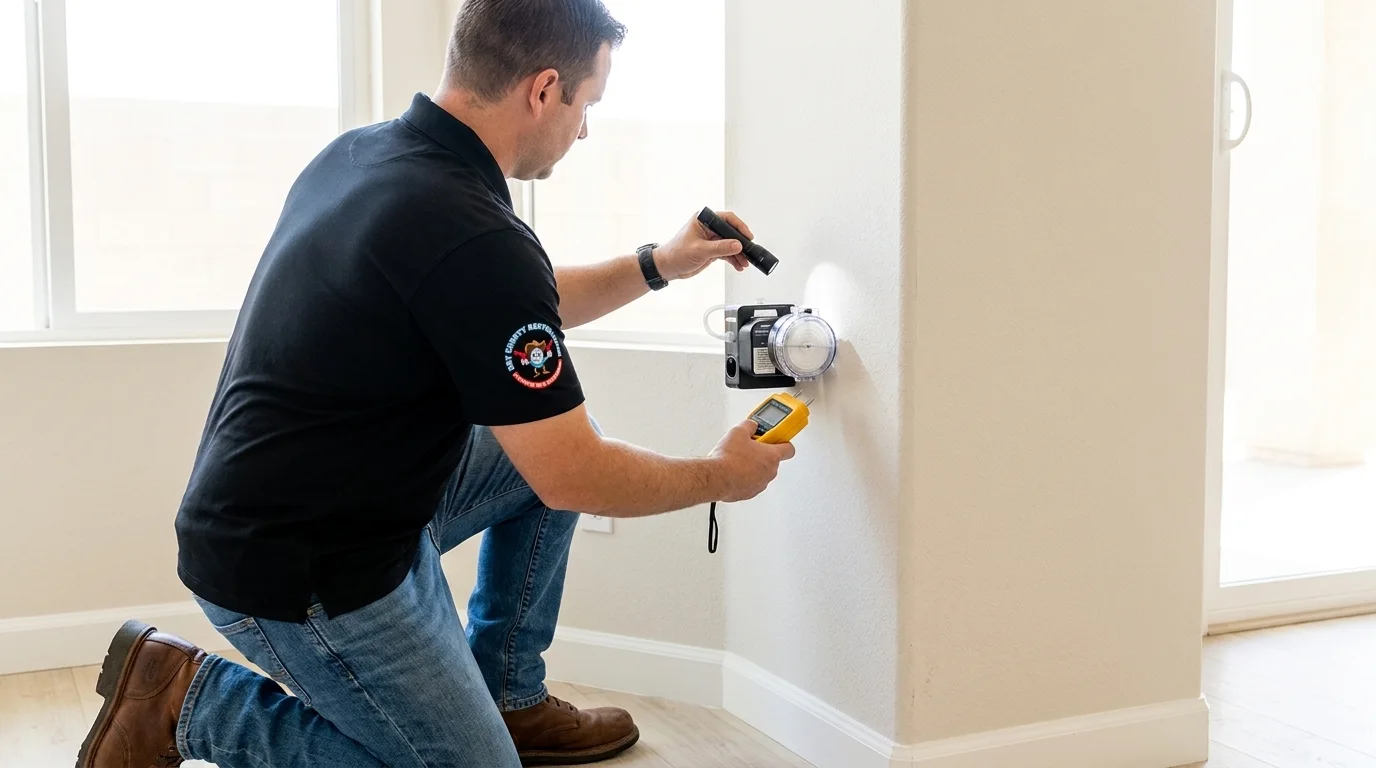
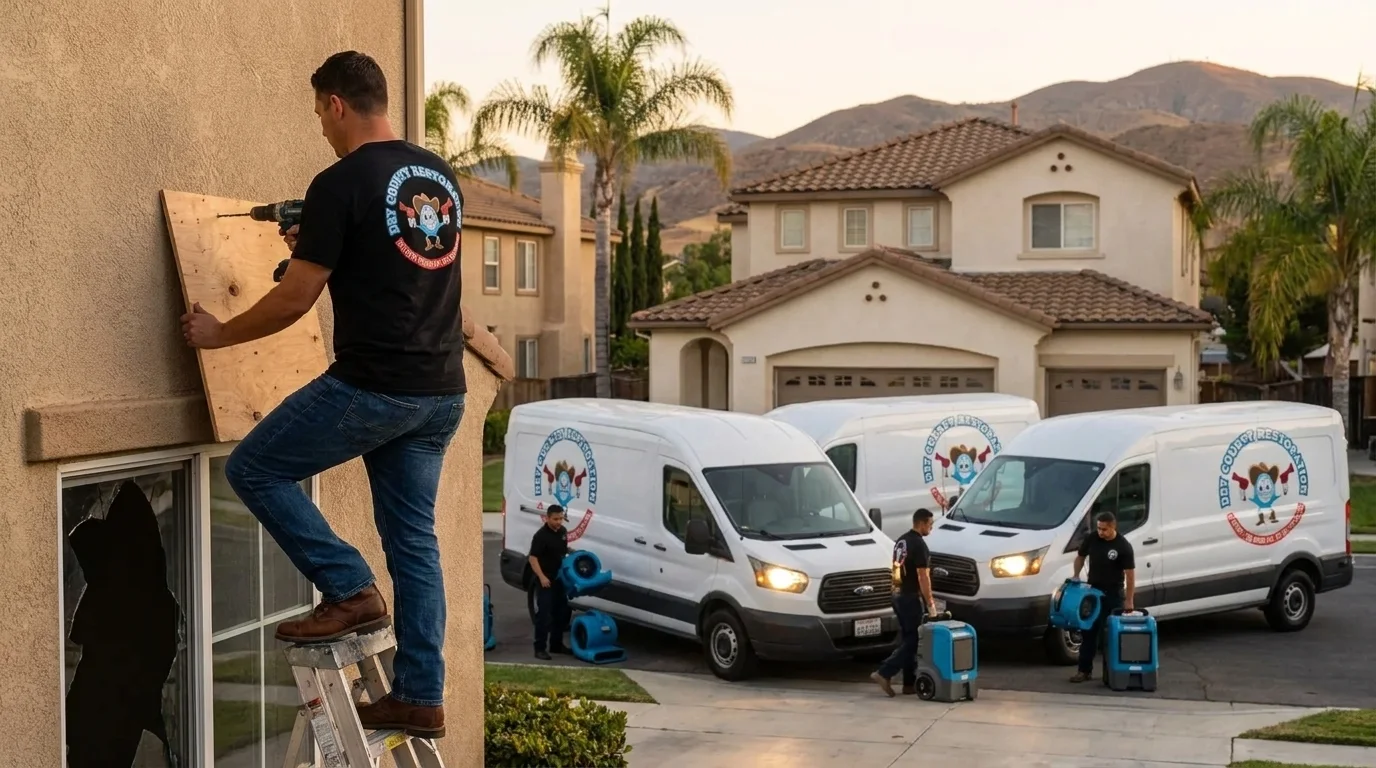
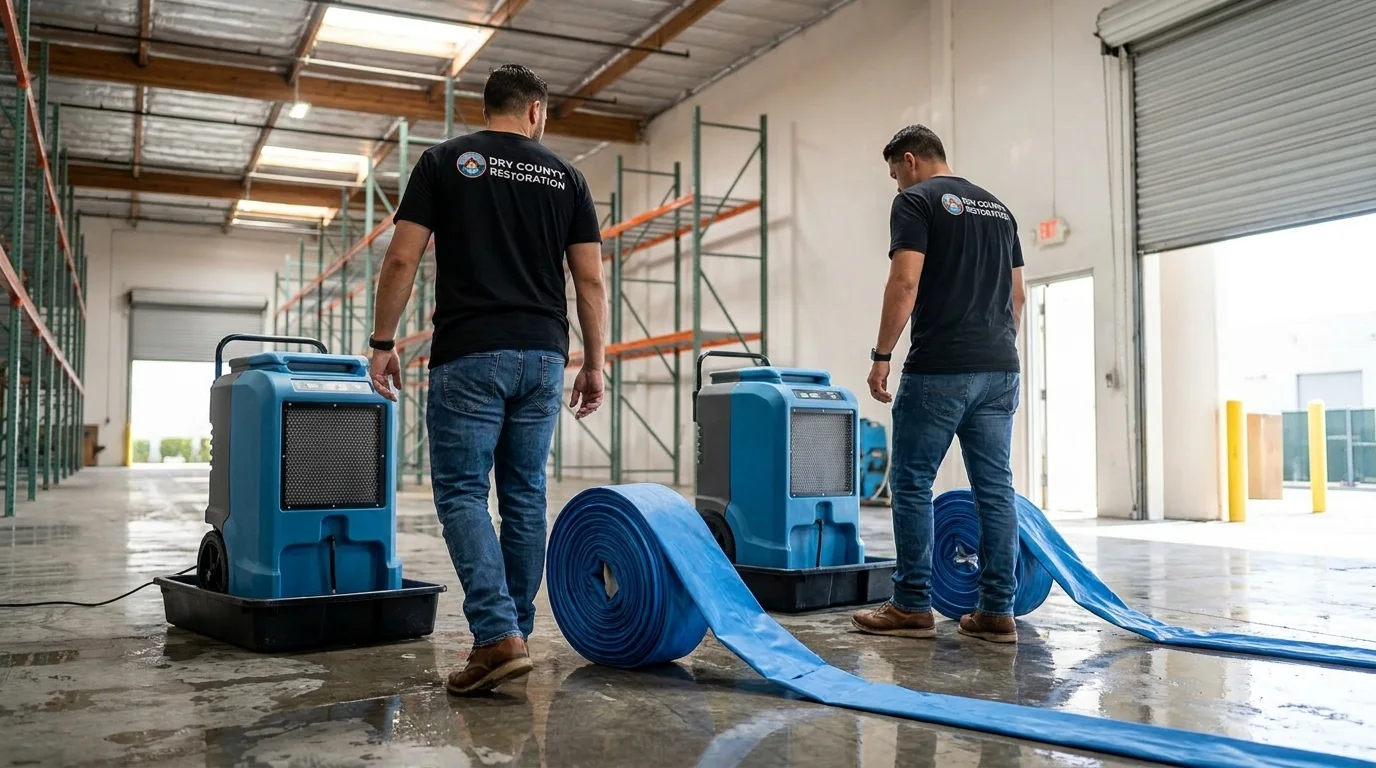
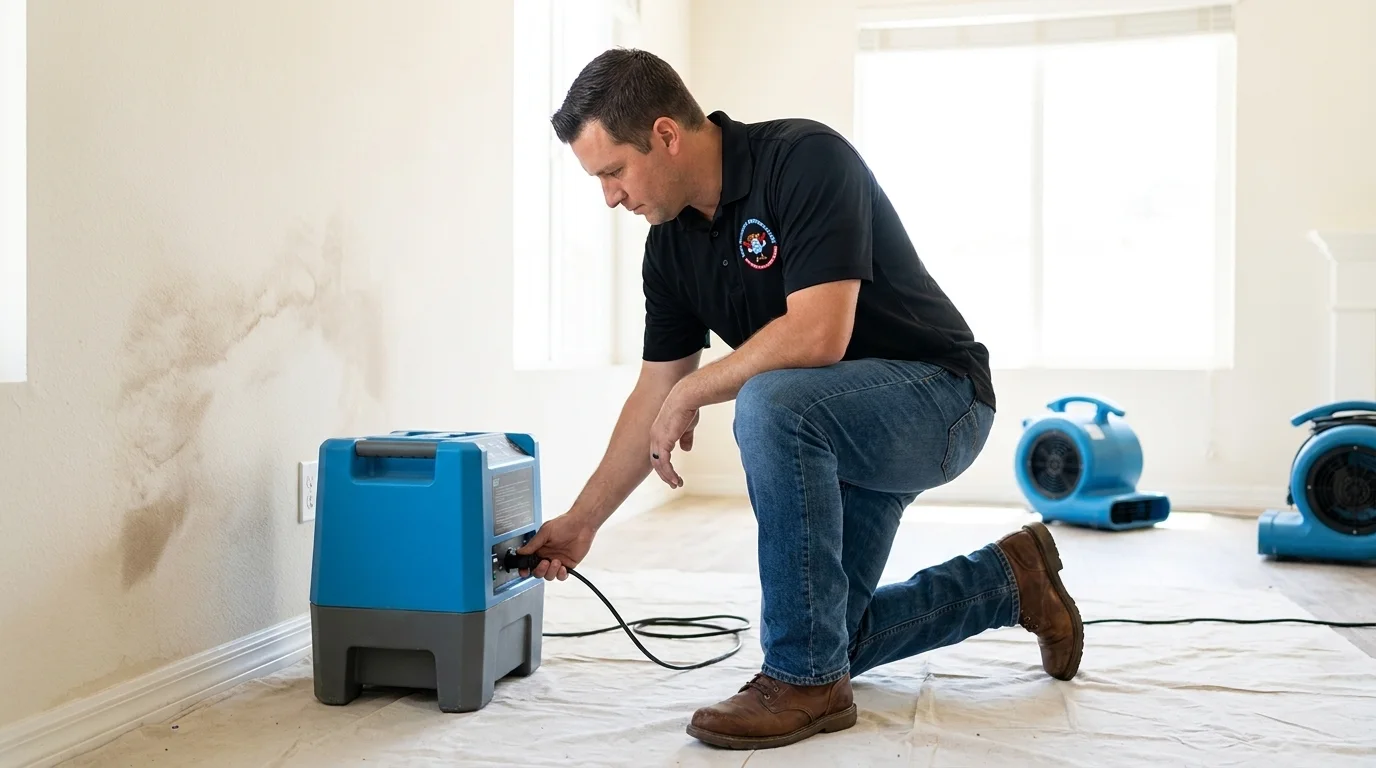
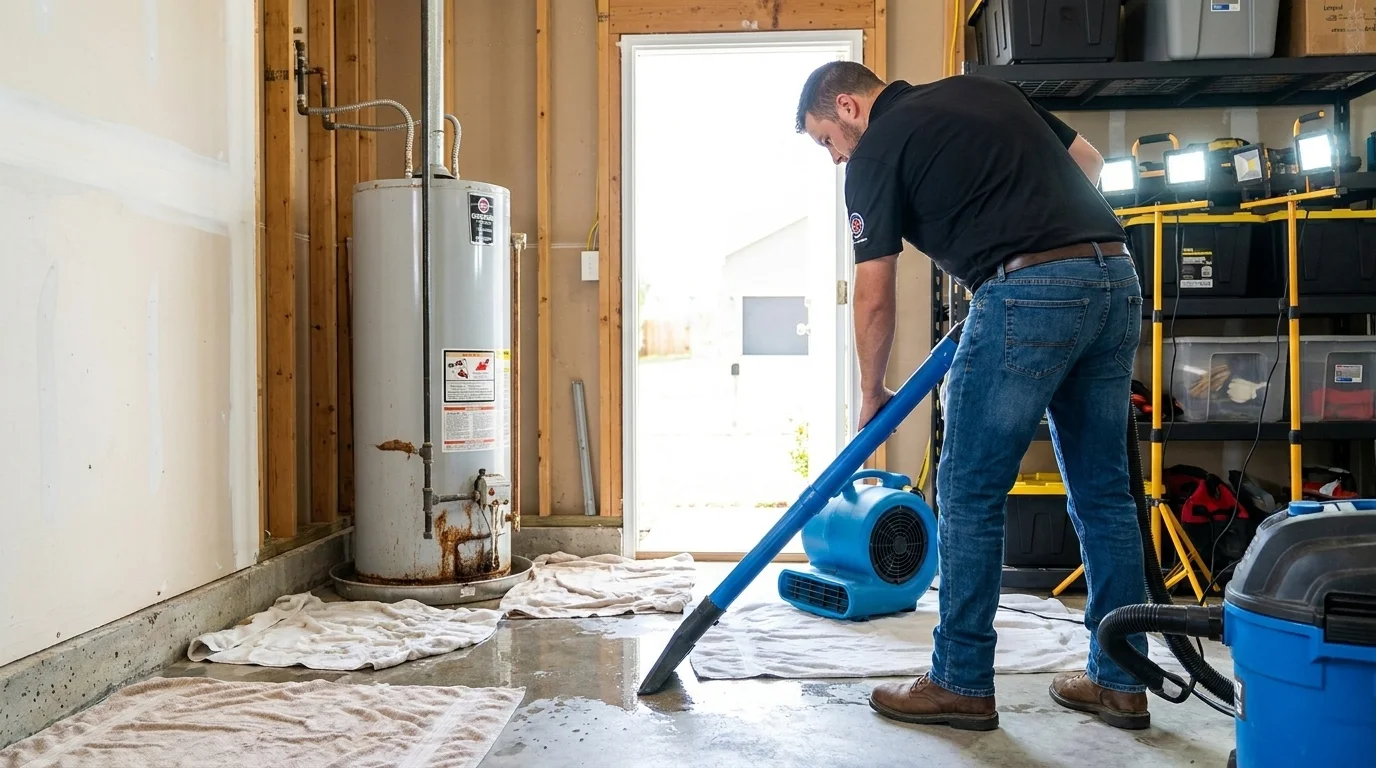
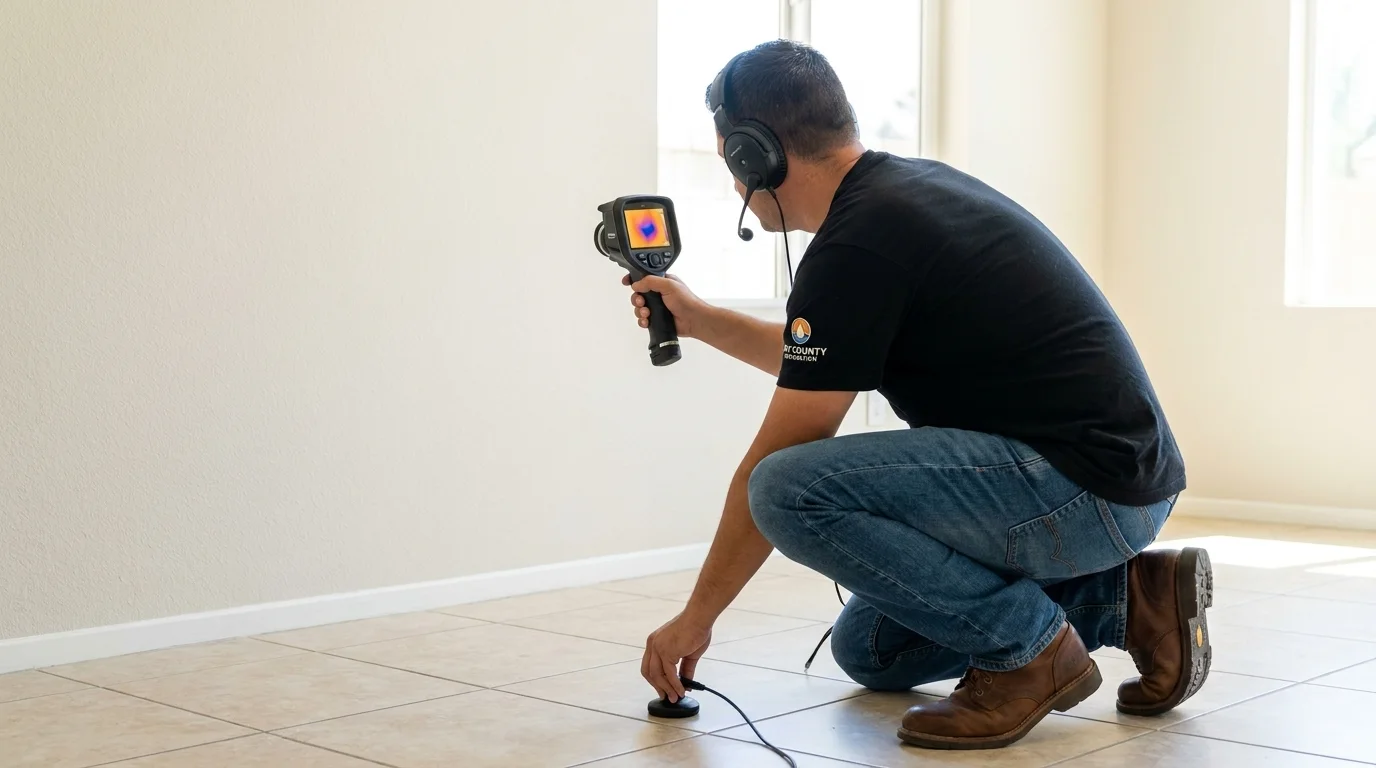
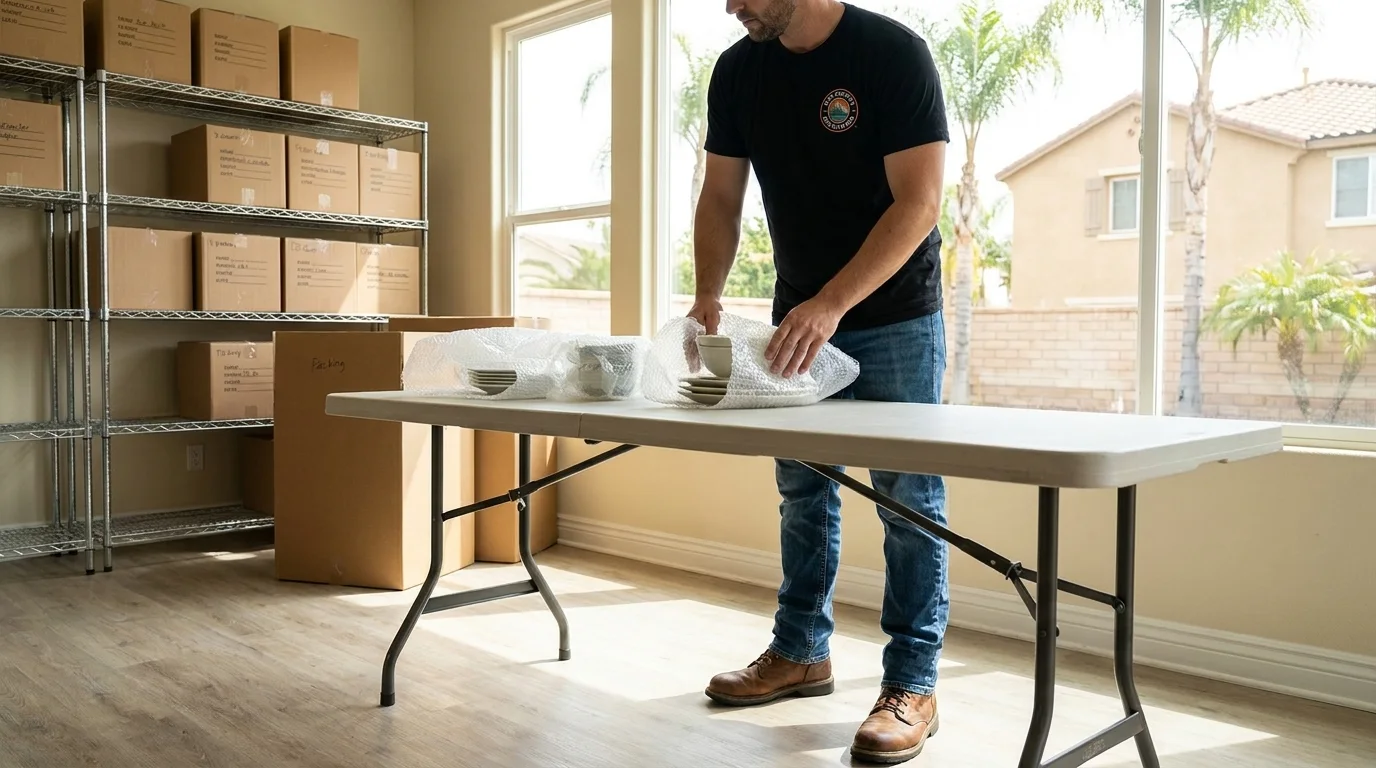
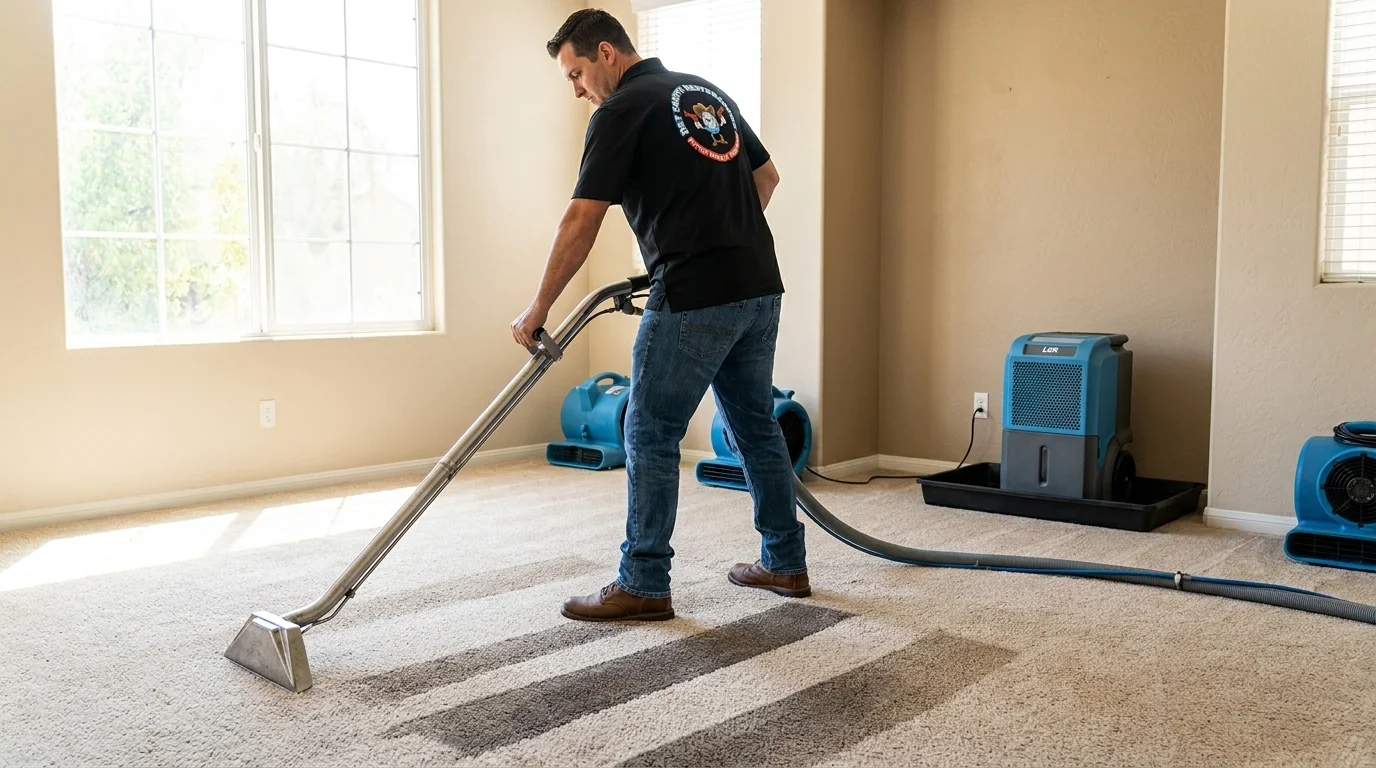
Some losses can’t wait for a callback. Water intrusion spreads fast, within 24 to 48 hours, saturated framing and drywall become hospitable to mold. Fire and smoke leave behind acidic soot that etches surfaces the longer it sits. That’s why the emergency side of the operation runs around the clock. Water damage restoration addresses extraction, structural drying, and moisture mapping before secondary damage takes hold. Fire and smoke damage restoration combines soot removal, odor neutralization, and content pack-out so the structure can be properly assessed. Biohazard cleanup, including sewage backups and similar situations, is handled by OSHA-trained technicians using containment protocols that protect the rest of the property. Storm damage restoration covers wind-driven rain intrusion, roof breaches, and the flooding that follows Southern California’s increasingly intense weather events. Board-up and tarping are available as immediate stabilization when the structure is exposed.
Reconstruction and renovation
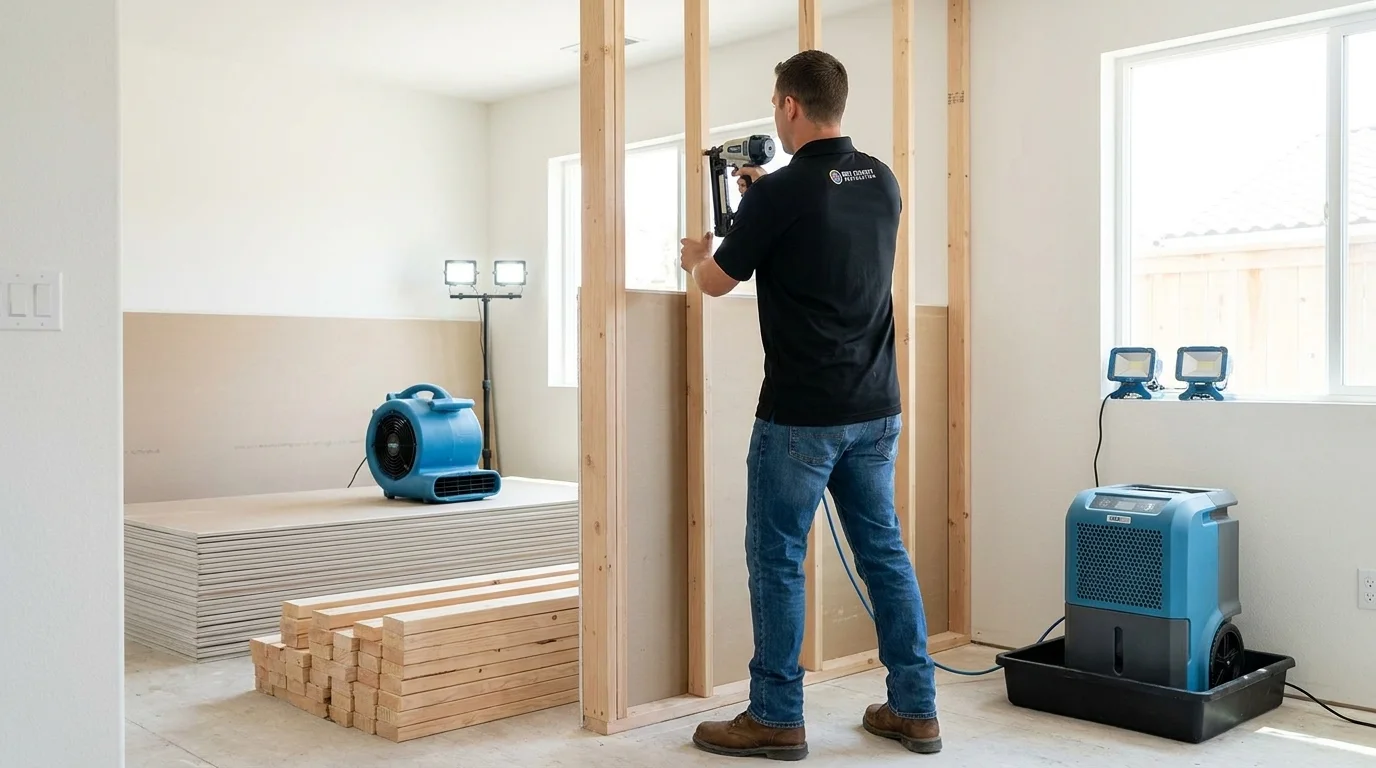
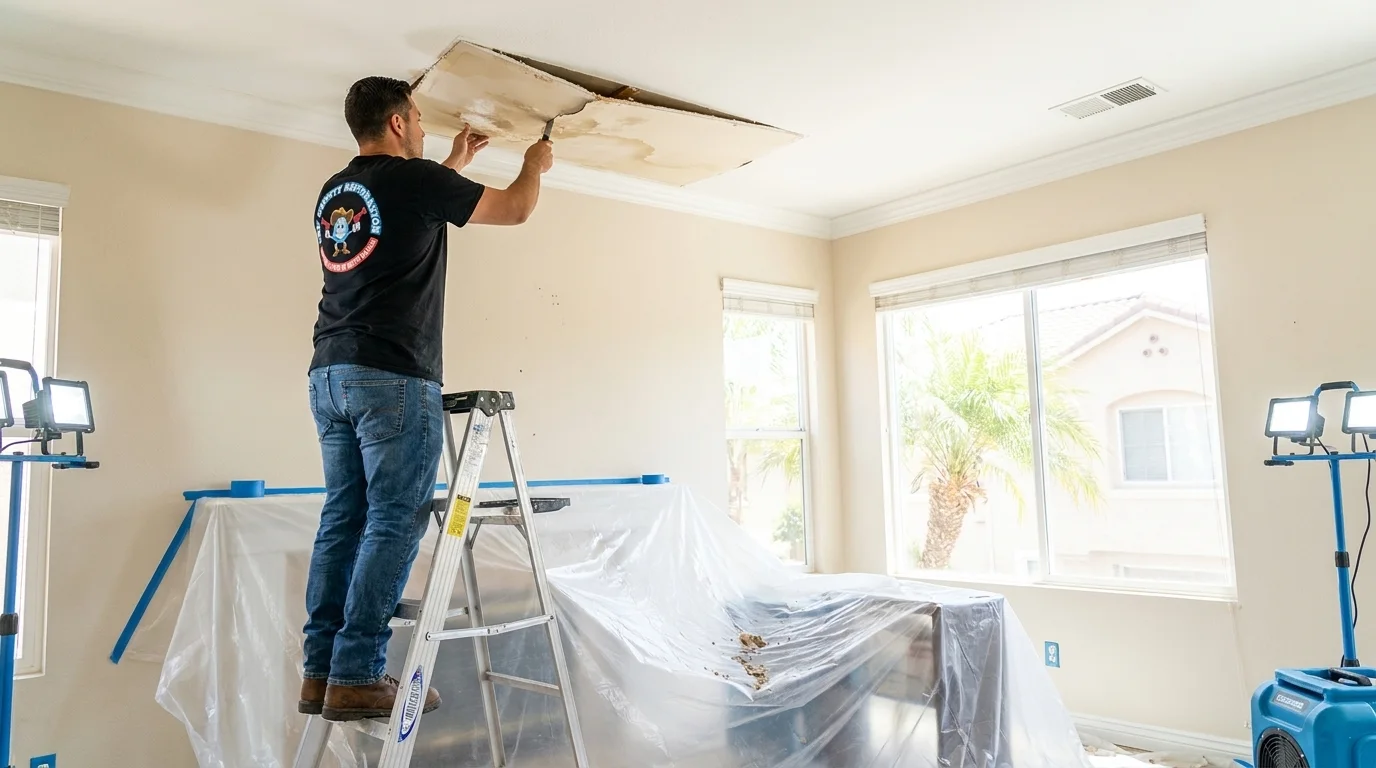
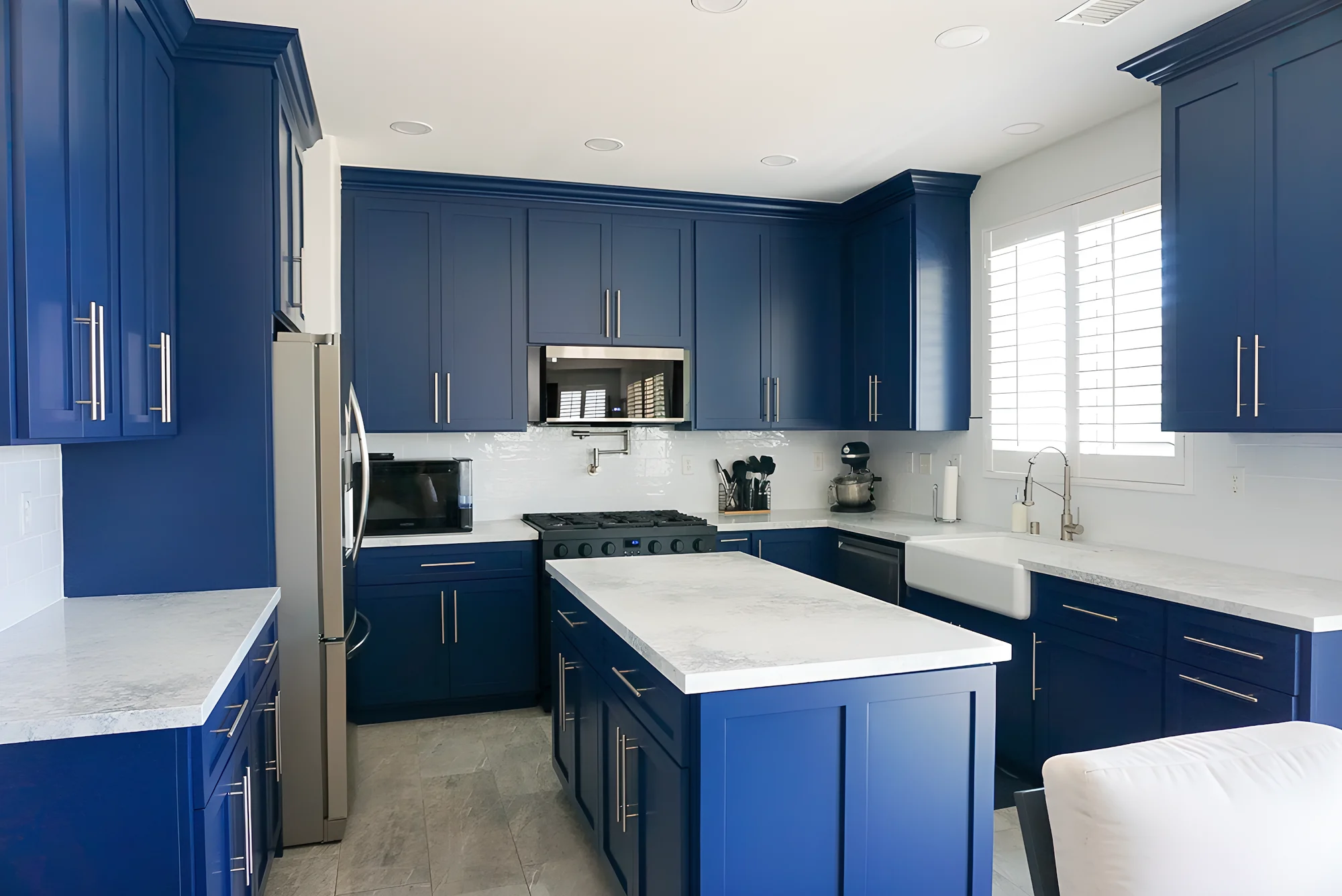
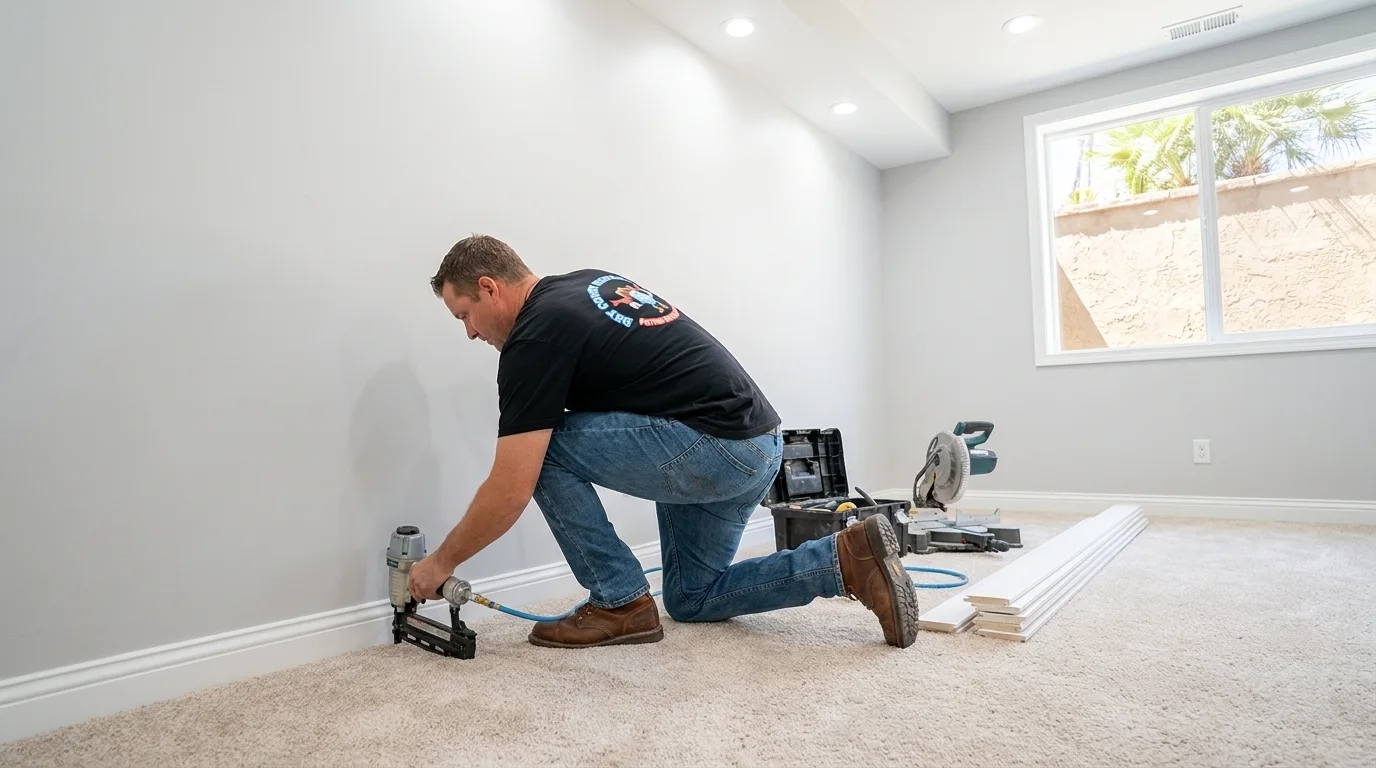
Mitigation stops the damage. Reconstruction puts the property back together. Once affected materials have been removed and the structure is dry and cleared, the rebuild phase begins: framing, drywall, insulation, flooring, cabinetry, painting, and finish work. Handling both phases under one contractor means the crew that documented what came out knows exactly what needs to go back in, no gaps in scope, no finger-pointing between a remediation company and a separate GC. This matters especially for insurance claims, where a continuous scope of work is easier to document and supplement.
Specialty services
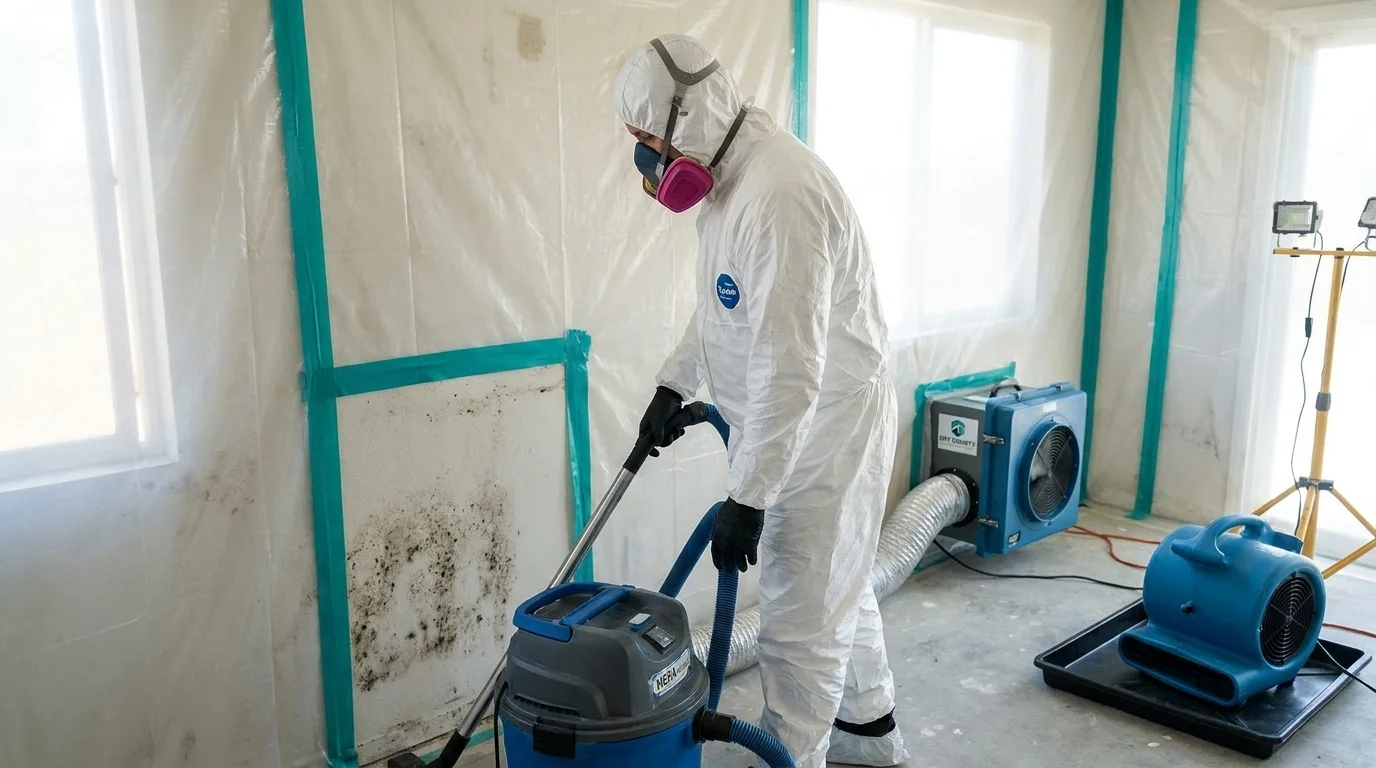
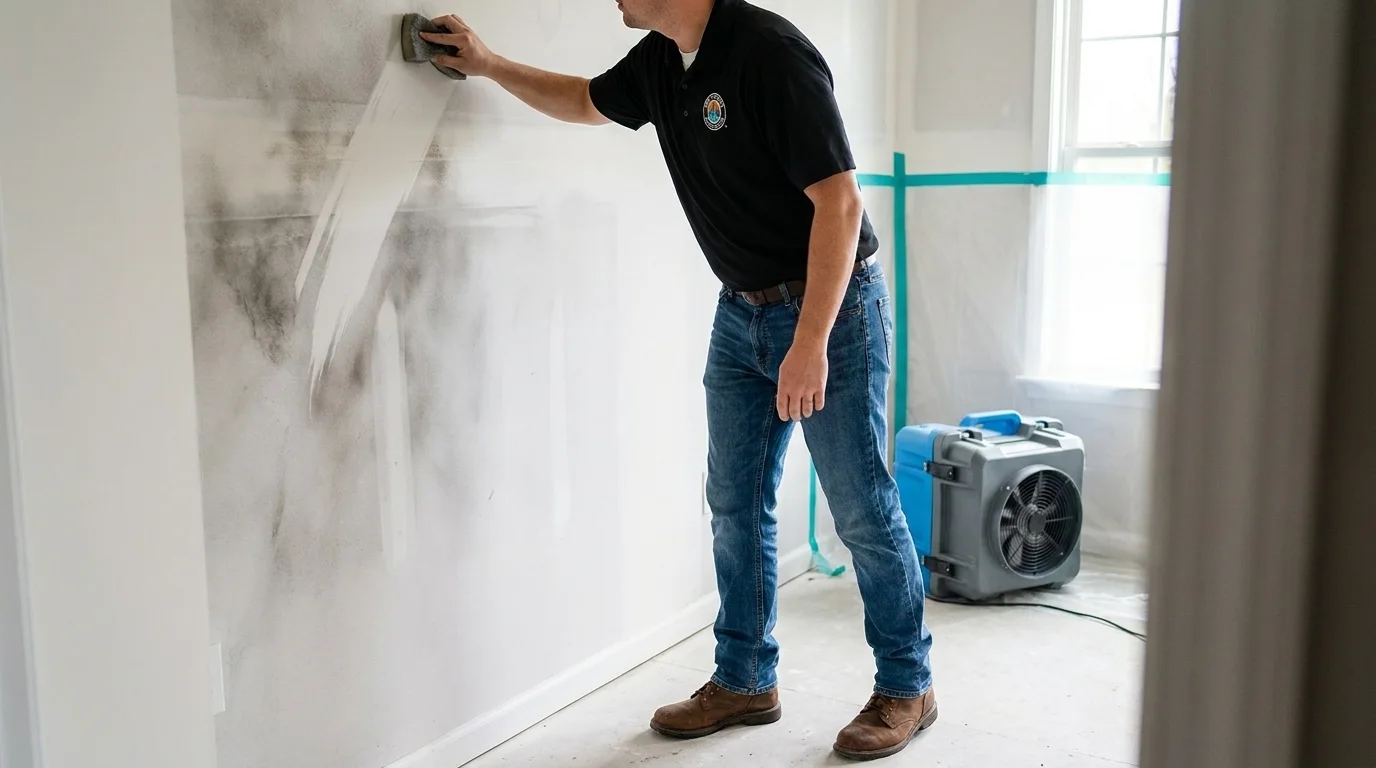
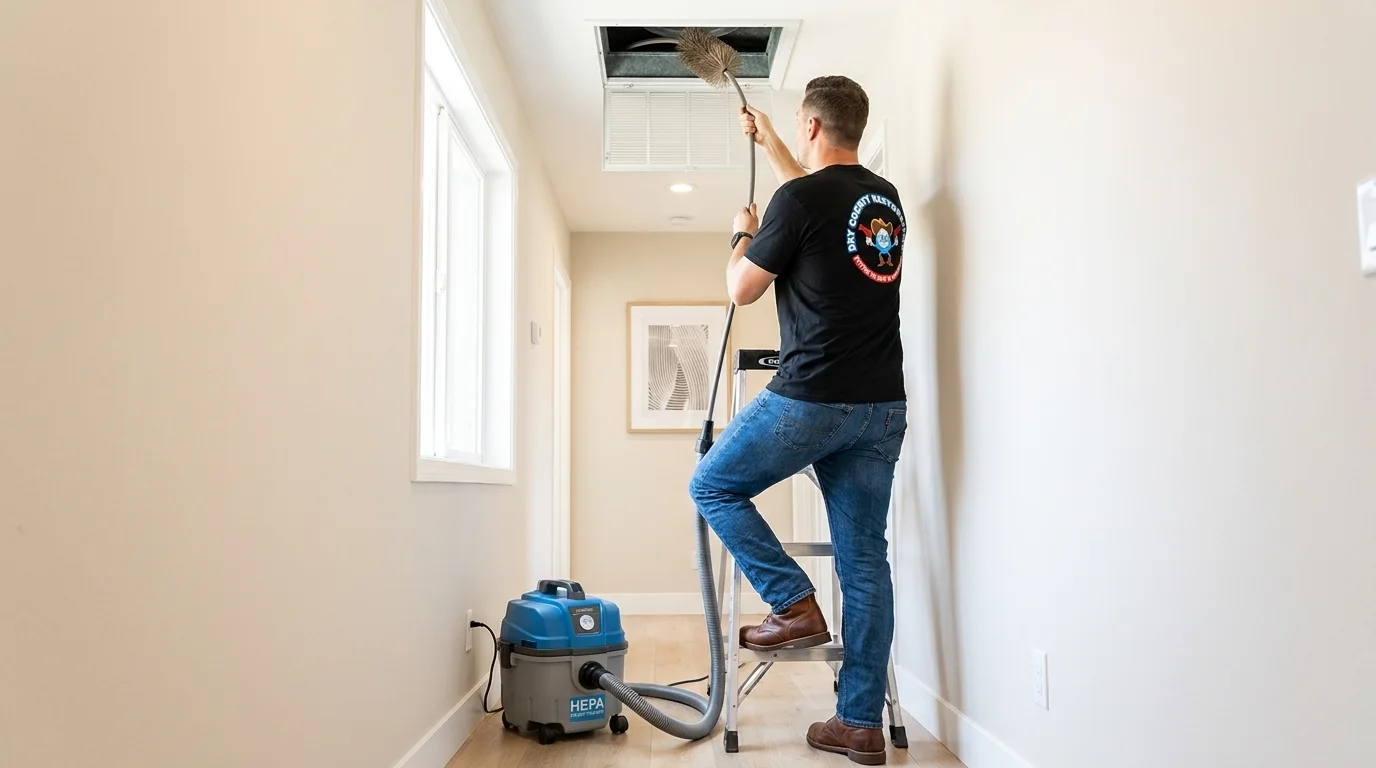
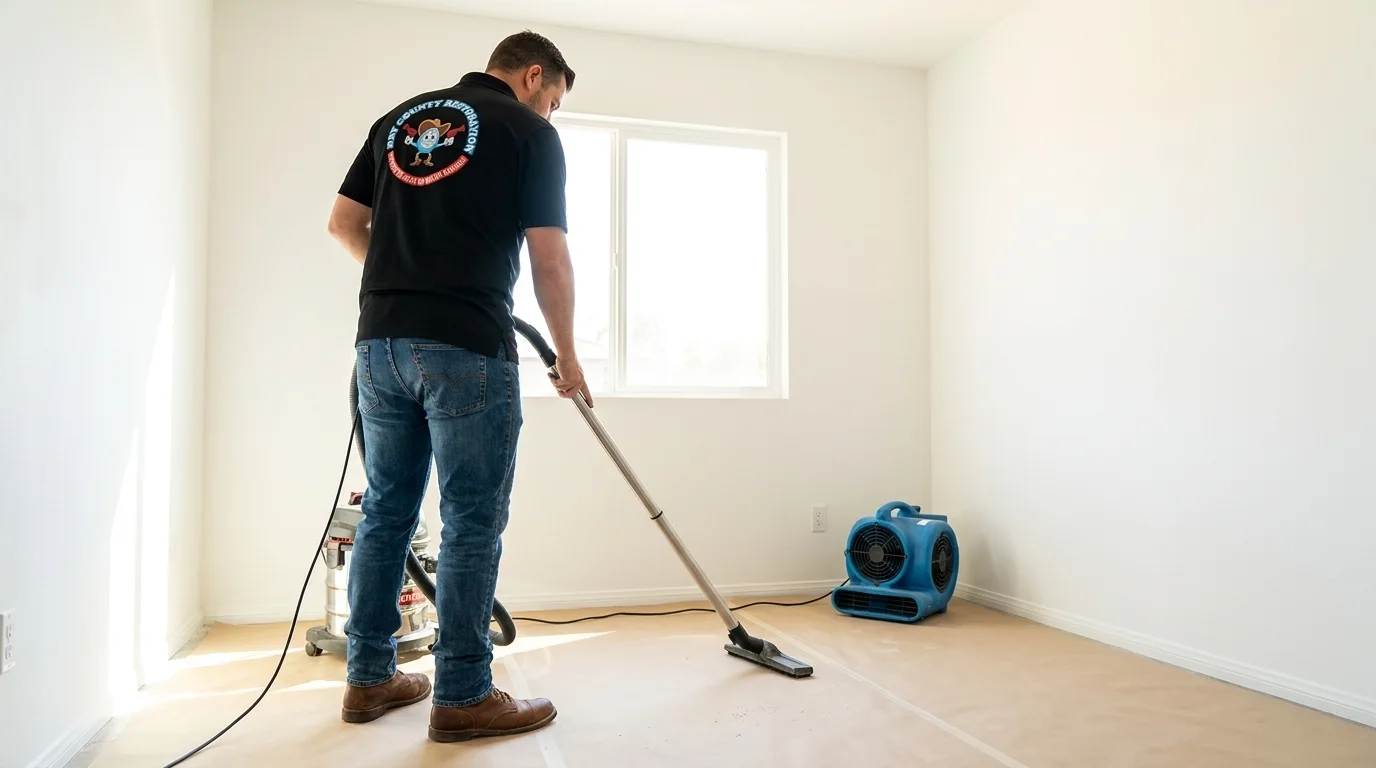
Not every call is an emergency, but some problems quietly worsen when ignored. Mold inspection and remediation, performed by IICRC AMRT-certified technicians, addresses visible growth and the hidden colonization that can develop behind walls after a slow leak. Odor removal handles smoke, pet, and biological odors that survive surface cleaning, using equipment like hydroxyl generators and thermal fogging rather than masking agents. Board-up and emergency securing stabilizes a property after break-ins, vandalism, or storm damage until permanent repairs can begin.
The advantage of a single-source restoration contractor is straightforward: one point of contact from the moment you call through the day you get your property back. No re-explaining the loss to a second company, no scheduling gaps between phases, and one consistent paper trail for your insurance carrier. If you’re not sure which service applies to what you’re dealing with, call (951) 667-9910, the team can help you identify the right starting point.
Frequently Asked Questions
Do you work with both residential and commercial properties?
What's the difference between mitigation and reconstruction?
Do you handle insurance claims for all of your services?
Ready to take the next step?
Get a free quote today!
Keep Exploring
- 24/7 Water Damage Restoration in Corona, CA
- 24/7 Emergency Fire Damage Restoration in Corona
- Mold Remediation in Corona
- 24/7 Emergency Water Damage Restoration in Corona
- 24/7 Emergency Sewage Cleanup and Sanitization in Corona
- 24/7 Emergency Storm Damage Restoration in Corona
- Renovations, Remodels and General Contracting in Corona
- 24/7 Emergency Board-Up and Tarping in Corona
- Air Duct Cleaning in Corona
- Contents Restoration and Storage in Corona
- Carpet Cleaning in Corona
- Post-Construction and Specialty Cleaning in Corona